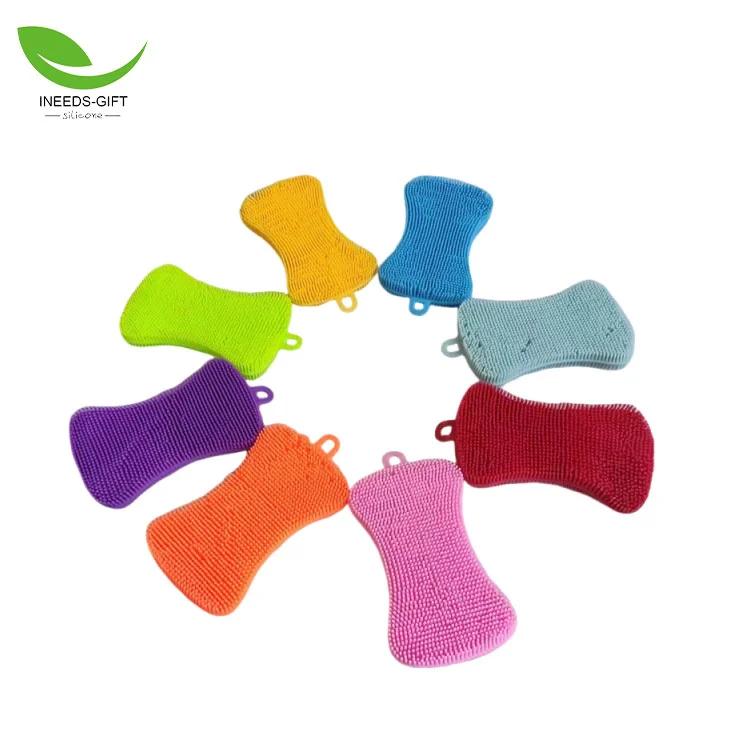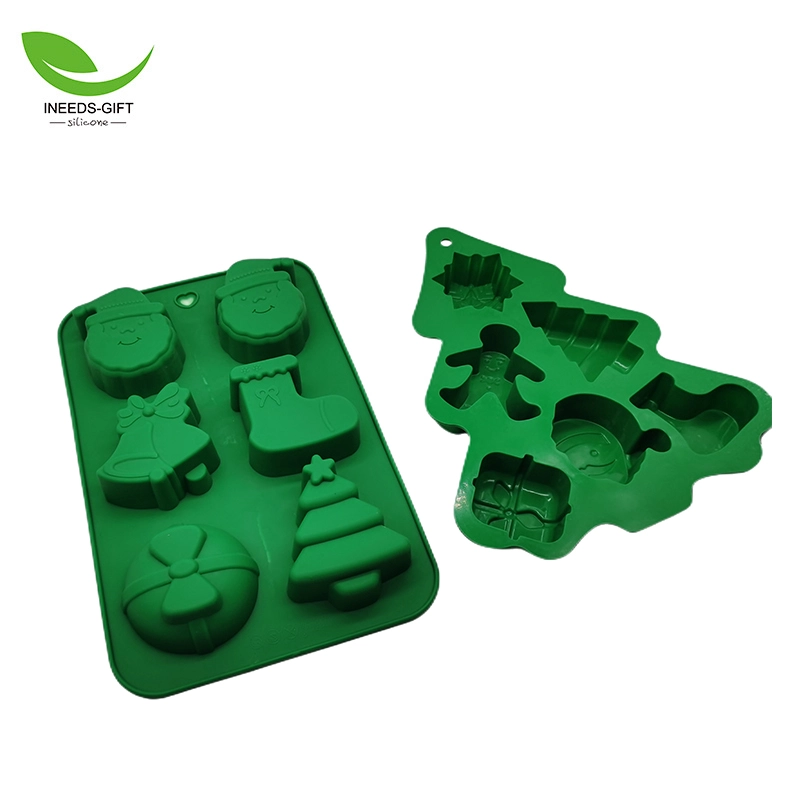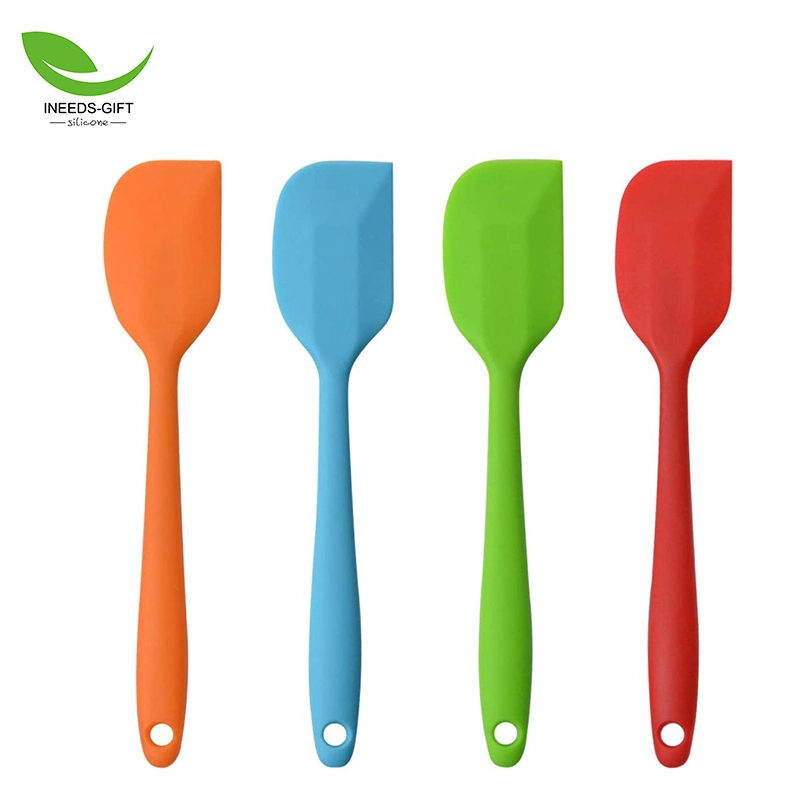
INEEDS (Xiamen Ineeds Silicone Gift Co., Ltd.) is a specialized silicone cookware manufacturer with close to ten years of production experience. The company designs and manufactures food-grade silicone cookware for baking, steaming, boiling and microwave cooking — including silicone baking pans, loaf molds, steaming baskets, egg poachers, collapsible bowls and microwave steamer trays. These products are molded from platinum-cured silicone, which is inherently non-stick, flexible, temperature-tolerant (−40°C to 230°C), BPA-free and free from PTFE-based coatings. This makes INEEDS silicone cookware a safer, lighter alternative or complement to metal, glass and non-stick coated cookware, while also eliminating the need for oils or liners in most cooking applications.
INEEDS runs a production plant in Dongguan equipped with over 75 automated machines covering rubber mixing, vacuum vulcanization, CNC mold making, automated trimming and finished goods inspection. For all cookware items, the factory uses only platinum-cured silicone to meet strict food-contact purity requirements. B2B buyers in Europe, North America, Oceania and other regions order custom and wholesale silicone cookware from INEEDS under their own brands. Many also consolidate shipments with Silicone Cooking Utensils to offer a complete kitchen range.
The production scope includes, but is not limited to:
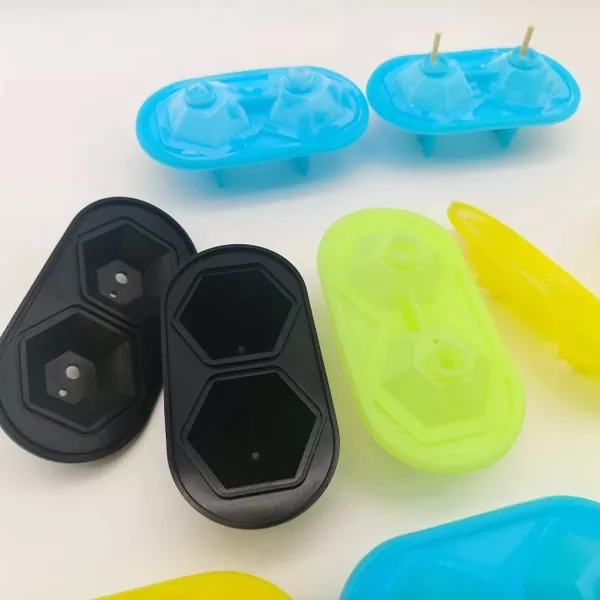
All items are manufactured from platinum-cured silicone, free from BPA and formulated for repeated use at temperatures from −40°C to 230°C. For brands looking to complement their cookware with freezing solutions, our Silicone Ice Cube Tray line uses the same platinum-cured material and safety standards.
Compared to metal bakeware with PTFE-based non-stick coatings, silicone does not rely on a surface coating that can degrade, chip or release particulates over time. It does not react with acidic foods, resists bacterial growth, and cleans easily in a dishwasher. Glass and ceramic cookware is heavy, breakable and conducts heat unevenly in many scenarios; silicone is lightweight, shatterproof and cools quickly to the touch. Silicone cookware does not, however, replace all functions—for tasks requiring high-heat searing or broiling beyond 230°C, other materials remain necessary. Understanding these boundaries helps brands correctly position silicone cookware within their product lines.
Every cookware batch manufactured by INEEDS is produced to comply with the following standards:
A routine shipment includes batch-specific test reports and a Declaration of Conformity (DoC). Internally, the factory laboratory operates a rheometer, tensile tester, 2D image measuring projector and aging test chamber to verify raw material cure characteristics, mechanical strength and dimensional accuracy before mass production begins.
Logo and packaging customization options are available:
Typical minimum order quantity for custom-branded silicone cookware is 500–1,000 pieces per color. Stock items without logo can be ordered in smaller trial quantities.
In addition to the 75+ automated machines on the production floor, INEEDS maintains an in-house mold shop with 4 CNC machining centers and 5 milling machines. This allows mold development for custom cookware shapes to complete in roughly 7–12 business days. The factory operates with a lean team of fewer than 50 personnel, organized around efficient work cells that handle mixing, vulcanization, trimming, inspection and packing under one roof in Dongguan. The same facility also produces Silicone Baby Food Products, leveraging the same food-grade material and quality protocols.
Can silicone cookware be used in a conventional oven?
Yes, platinum-cured silicone cookware is typically rated for use from −40°C to 230°C, making it suitable for most home and commercial ovens. It should not be placed directly over an open flame or under a broiler at close distance.
How does silicone handle grease and staining from tomato-based sauces?
Silicone is non-porous and naturally resistant to staining from most food ingredients. Deeply colored sauces such as tomato or turmeric may leave a faint tint after prolonged exposure, but this does not affect food safety and can usually be removed by soaking in warm, soapy water or by using a baking soda paste.
What is the typical lead time for a custom cookware project?
Mold development typically takes 7–12 business days. After pre-production sample approval, mass production usually takes 15–25 business days, depending on order complexity and quantity. Rush services may be discussed for time-sensitive launches.