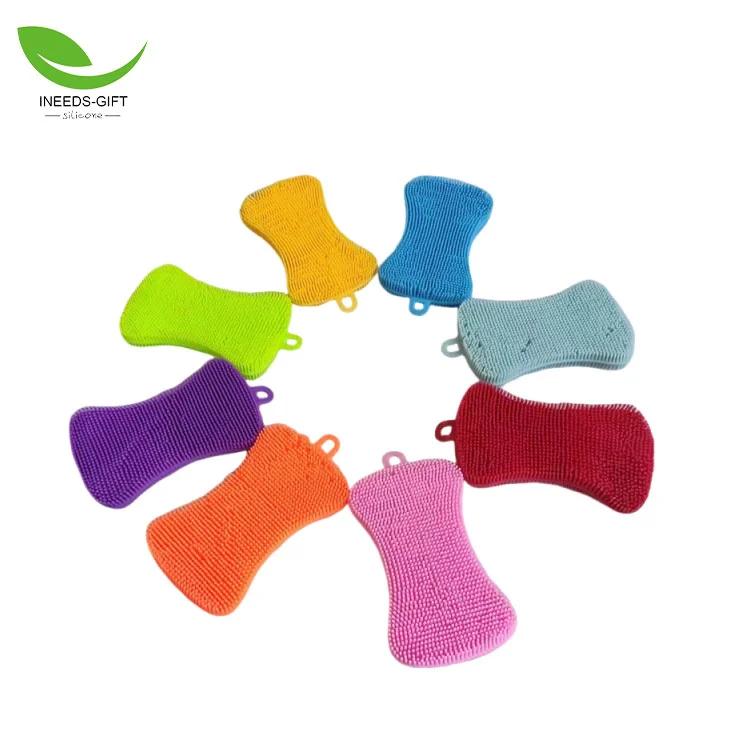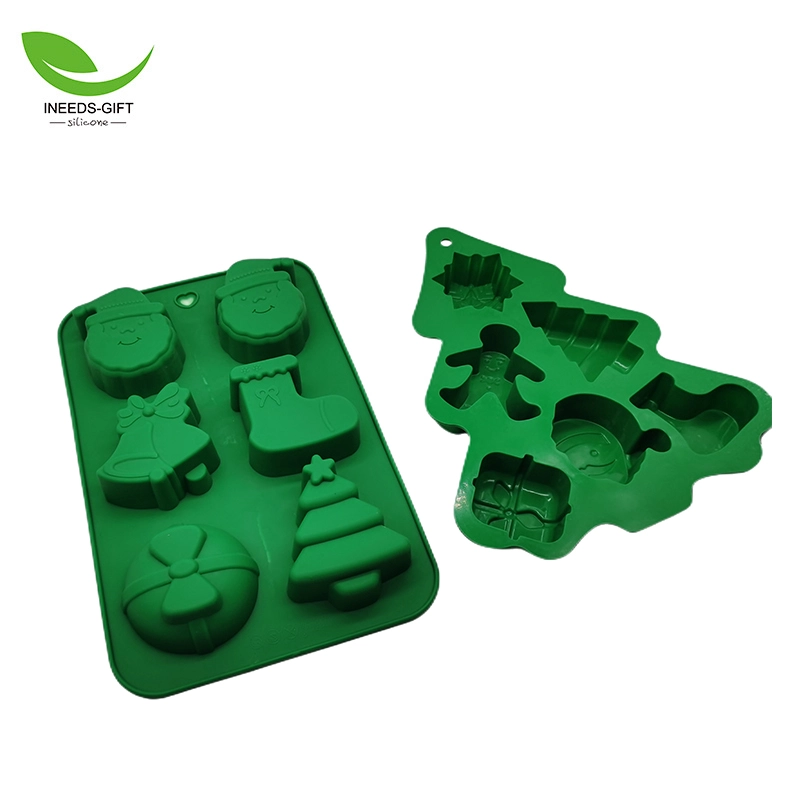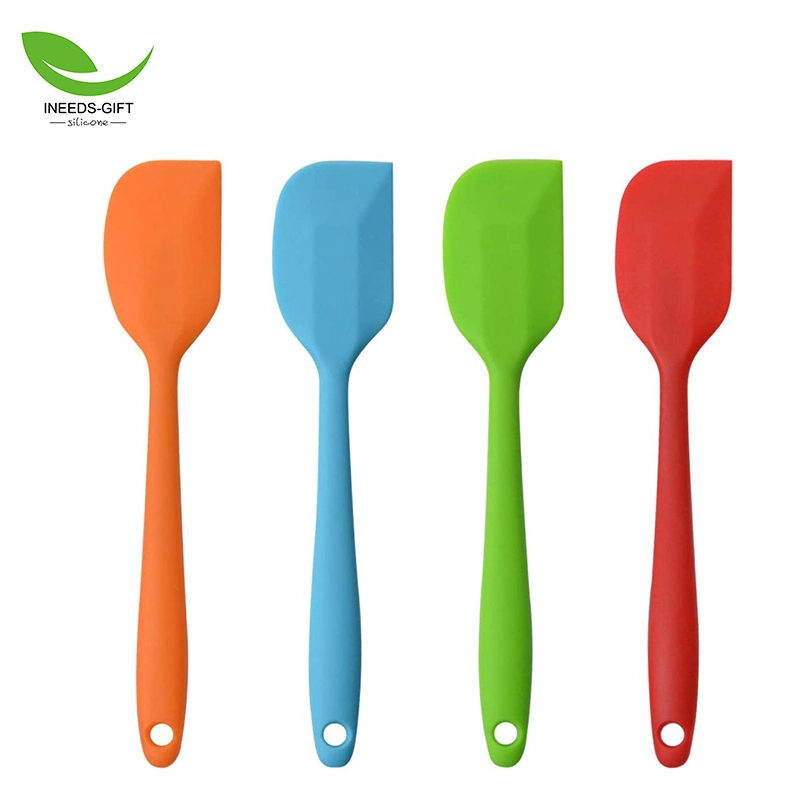
The cooking utensil range at INEEDS includes spatulas, turners, ladles, whisks, basting brushes, pasta servers, and spoonulas. Handle options cover stainless steel, beechwood, and nylon; custom profiles and Pantone color matching are developed in-house. Utensil orders can be consolidated with Silicone Cookware items for a coordinated kitchenware range.
Standard production includes:
Custom designs—like a spatula with a built-in spoon rest or a branded handle shape—are developed through our in-house mold shop. The shop has 4 CNC machining centers and 5 milling machines; a new utensil mold typically takes 7–12 business days.
Wooden utensils can absorb moisture, harbour bacteria in grain lines, and eventually split. Nylon and plastic tools start to soften or warp around 100–120°C, which is below many frying temperatures. Silicone works consistently between -40°C and 230°C, cleans easily in a dishwasher, and won't scratch ceramic or non-stick coatings. It doesn't react with acidic ingredients like tomato or citrus, and a good-quality platinum-cured utensil can last 3–5 years of regular use without cracking or hardening.
Every utensil batch is manufactured to meet:
The factory lab runs rheometer and tensile tests on incoming silicone compound, checks handle adhesion strength, and verifies dimensional accuracy with a 2D image projector. All shipments can include a Declaration of Conformity and batch test records.
INEEDS (Xiamen Ineeds Silicone Gift Co., Ltd.) has produced silicone goods for close to a decade. The Dongguan plant runs over 75 automated machines—vacuum vulcanization presses ensure a dense, bubble-free silicone head, and CNC machines cut precise handle fittings. Fewer than 50 people run the full cycle: mixing, molding, trimming, inspection and packing. The same building also handles Silicone Baby Food Products, so utensils destined for baby food prep follow identical food-grade protocols.
Logos can be applied by debossing on the handle, screen printing on the silicone head, or laser engraving on wooden handles. Pantone-matched silicone colors and custom handle materials are available. For a brand-new utensil shape with its own mold, the MOQ starts at 1,000 pieces per color. If you use an existing shape and only add a logo, 500 pieces is often accepted. Blank samples are available for testing heat resistance and handle balance before placing a full order.
Will a silicone spatula scratch my non-stick pan?
No. Silicone is softer than the surface coating of non-stick pans. It's routinely recommended by cookware manufacturers for this reason. The edges can be made thin enough to slide under food without scraping.
Can the utensil be left in a hot pan while cooking?
For brief contact, yes. Silicone withstands up to 230°C, which covers most stovetop cooking. It should not be placed directly over an open flame or left in a dry, overheated pan for an extended period, as temperatures beyond 230°C can begin to degrade the material.
Do you offer utensil sets with matching colors for retail packaging?
Yes. Sets can be assembled with a consistent Pantone-matched color across all pieces, and we supply retail-ready packaging—hanging cards, display boxes, or clear acetate wraps. Minimums for custom sets typically start at 500 sets per color.