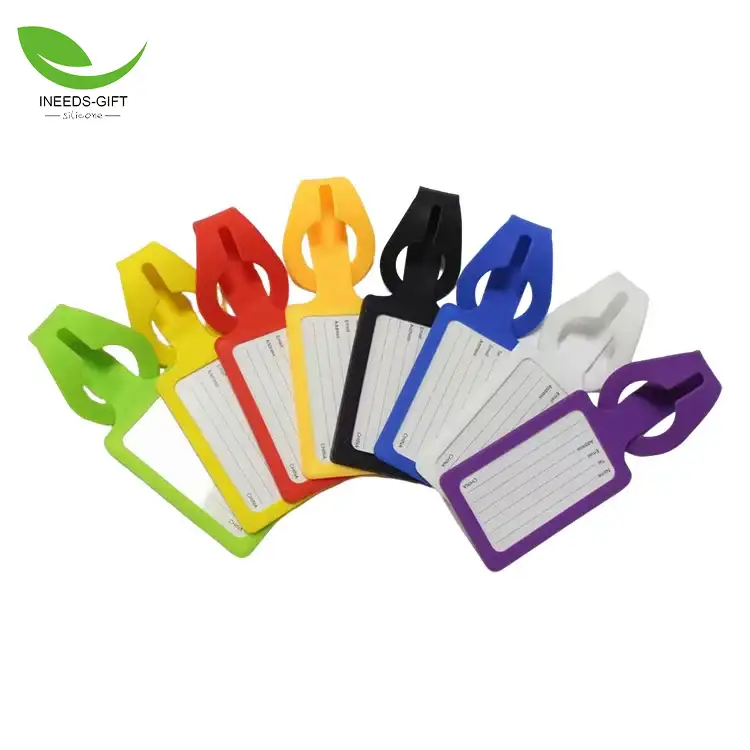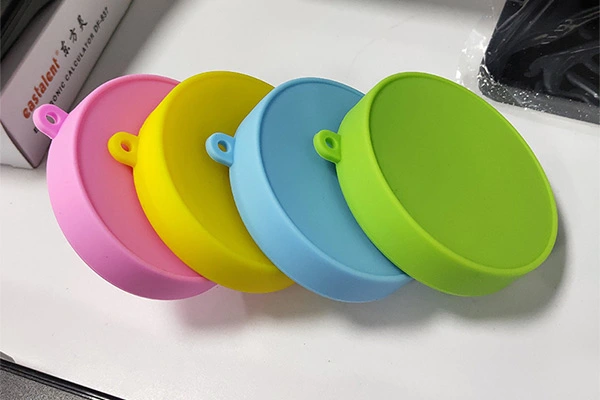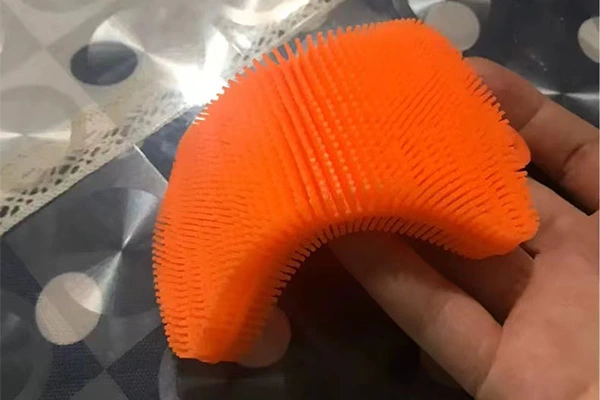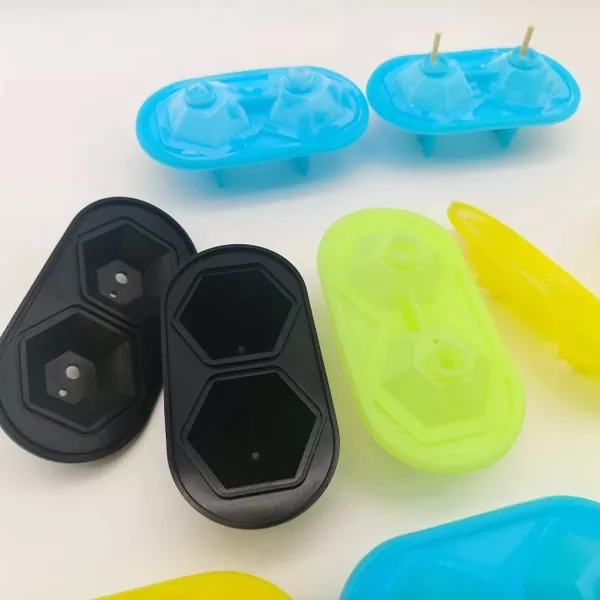
The silicone luggage tag range at INEEDS is built around four styles: classic ID tags with straps, airplane-shaped tags, sleeve-style tags, and QR/NFC versions. Custom mold development and Pantone color matching are handled in-house, with pre-production samples provided for approval. Tags can be ordered with Silicone Wristbands in a combined production batch.
Standard production includes:
For brands running a full travel merchandise program, these luggage tags are often combined with Silicone Phone Accessories like lanyard card pockets, giving travelers a complete set of identification and carry solutions.
Plastic tags can become brittle in cold airplane cargo holds and crack on impact. Leather wears well but costs more and darkens when wet. Paper tags are disposable by nature and rarely survive a rain-soaked baggage cart. Silicone handles the same temperatures as extreme weather gear (-40°C to 230°C) and bounces back from crushing. It doesn't absorb water, so printed information won't blur, and the tag itself won't grow mildew if it sits in a damp suitcase compartment.
Buyers can add a logo or text through debossing, embossing, screen printing, or color-fill. For travel companies that need variable data—like sequential numbering or individual traveler names—digital printing is also available. Pantone-matched silicone colors are standard. Custom shapes require a new mold, which our in-house tooling shop (4 CNC centers, 5 milling machines) can develop in about 7–12 business days. The typical MOQ for a custom-shaped luggage tag with a new mold is 1,000 pieces per color. Using an existing shape with only a logo added brings the MOQ to around 500 pieces. Blank samples of standard designs are kept in stock for evaluation.
Luggage tags from INEEDS are manufactured under the same quality system as skin-contact and food-contact silicone products:
Internal testing includes tensile checks on the strap attachment point (to ensure it won't tear under load), color rub tests on printed areas, and heat aging to simulate long-term storage in a hot vehicle or container. Documentation such as DoC and batch test reports can be provided with every shipment.
INEEDS (Xiamen Ineeds Silicone Gift Co., Ltd.) has produced silicone goods for close to a decade. The Dongguan facility runs over 75 automated machines, with vacuum vulcanization presses used to mold detailed tag features without air bubbles. Fewer than 50 people manage the full production cycle—from raw material mixing and molding to trimming, inspection and packaging. After pre-production sample approval, mass production typically takes 15–25 business days. Rush orders for standard shapes can sometimes be completed in 10 working days, depending on current capacity.
How do I write my contact details on a silicone tag?
Most tags have a designated writable area, often a debossed rectangle, that works with a fine-tip permanent marker or ballpoint pen. For a more permanent solution, details can be screen-printed or debossed during production. Some buyers also include a small transparent window for a paper insert that can be swapped out between trips.
Can the strap be removed if I need to clean the tag or swap it to a different bag?
Yes, the strap is a separate silicone loop that threads through the tag body and around the bag handle. You can untie or unbuckle it to move the tag to a new suitcase. We test the strap's attachment point to handle luggage-weight loads so it won't detach accidentally.
Is it possible to make a double-sided tag with different information on each side?
Yes. A two-sided mold allows different logo placement on the front and back. For example, a company logo on one side and a writable contact panel on the reverse. Both sides go through the same vulcanization cycle, so there's no glue or seam between them.