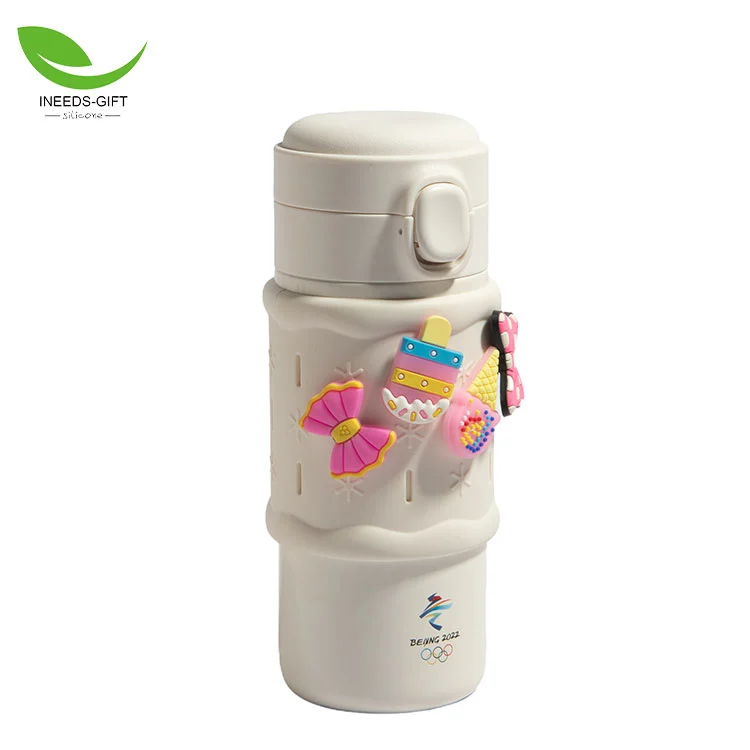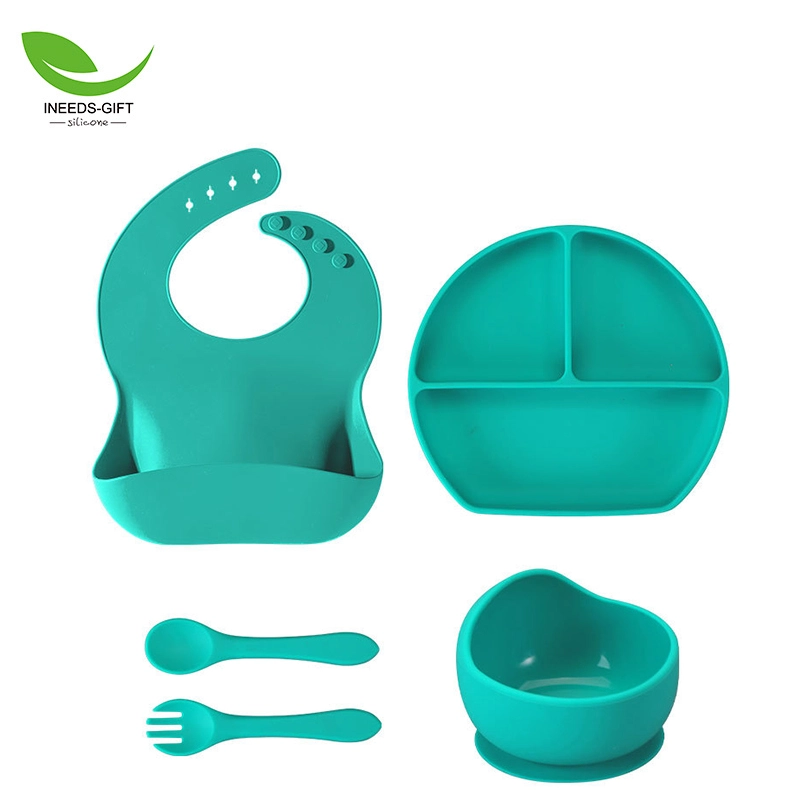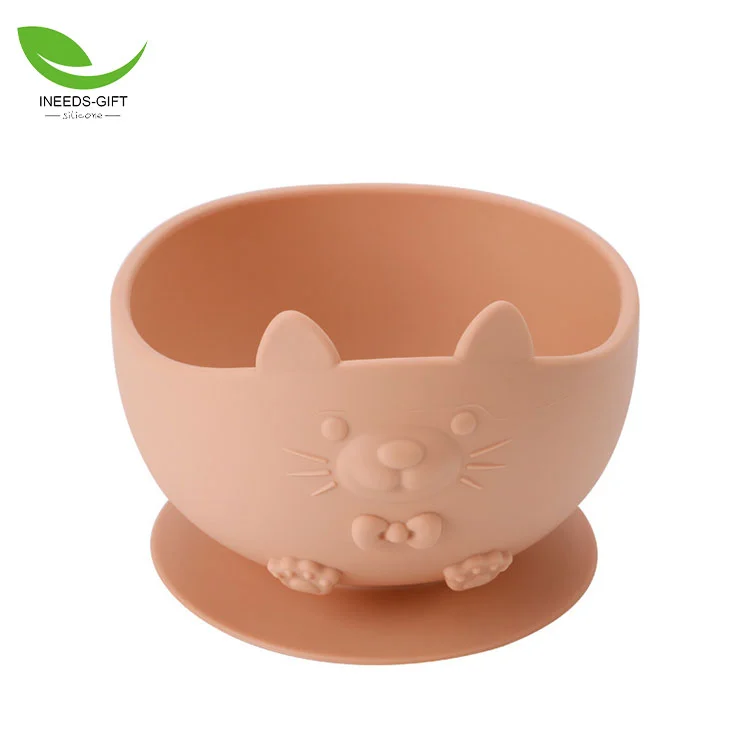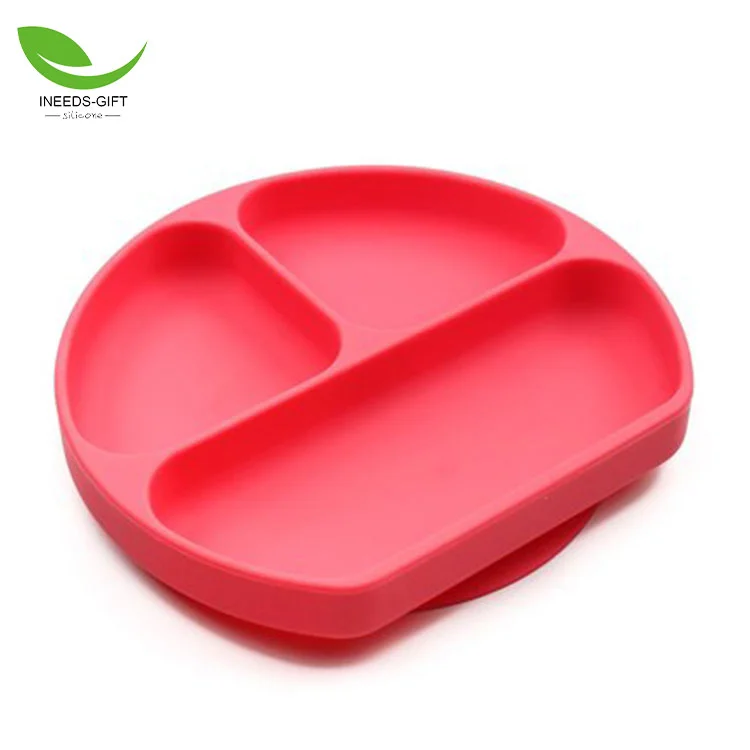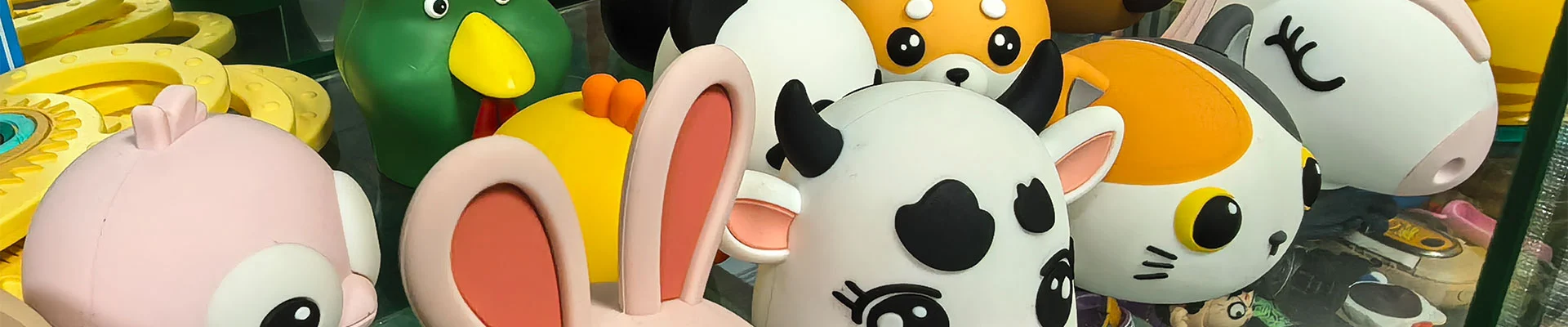
From suction plates and divided bowls to bibs with catch pockets, soft-tip spoons, storage containers, and freezer trays for purees, INEEDS produces the core silicone baby food range under one roof. Custom molds, Pantone color matching, and pre-production sampling are handled in-house. Orders can be combined with Silicone Cooking Utensils from the same facility to simplify sourcing.
The factory lineup includes:
All baby food products from INEEDS use platinum-cured silicone. The reason is straightforward: platinum cure leaves behind almost no chemical residue after molding. Peroxide-cured silicone, while cheaper, can retain traces of peroxide decomposition byproducts that may carry a detectable odor or taste. Warm baby food amplifies any off-flavour, so the cleaner cure method is the safer choice. The material is also non-porous, which means bacteria and mold have nowhere to hide—an advantage over wood, bamboo fiber, and some plastics that develop micro-cracks over time.
Every batch shipped is produced to comply with:
Our lab performs color migration testing—both wet rub and dry rub—on all pigmented items, because dye transfer is a serious concern with products that go into a baby's mouth. We also run rheometer checks on incoming silicone, tensile tests on cured samples, and dimensional verification on first articles. DoC and test reports are included with shipments when requested.
INEEDS (Xiamen Ineeds Silicone Gift Co., Ltd.) has close to ten years in silicone manufacturing. The Dongguan plant runs over 75 automated machines, including vacuum presses that eliminate bubbles in suction bases and bowl rims. Fewer than 50 people operate the full line—mixing, vulcanizing, trimming flash, inspection, and packing. Custom mold development takes 7–12 business days through our in-house mold shop. After sample approval, mass production usually runs 15–25 business days. For buyers extending their baby line into developmental play, the same factory also produces Silicone Toys under identical safety protocols.
Logos go on by debossing on the back of a plate or bib, screen printing on a flat area, or color-fill into debossed text. Pantone matching is available for both the silicone body and the print. Custom packaging—gift boxes, hang-sell cards, or branded polybags—can be developed. MOQ for a new custom shape with its own mold starts at 1,000 pieces per color. Using an existing shape and only adding a logo brings the MOQ down to about 500 pieces. Stock blanks are kept for trial testing.
Does the suction base actually stay put on a highchair tray?
On smooth, clean surfaces, yes. The suction holds firmly enough that a toddler can't easily lift it. It works best when the tray is wiped dry before pressing the base down. Textured or wooden surfaces reduce suction strength—something to note when advising end customers.
Can the plates and bowls go from freezer to microwave?
Yes. The silicone handles -40°C to 230°C, so you can freeze a portion of puree in the plate and then thaw or warm it directly in the microwave. Stirring halfway through heating helps distribute warmth evenly.
How do you prevent food stains from carrots and tomatoes?
Platinum-cured silicone resists staining better than many plastics, but deeply pigmented foods can leave a faint tint over time. This is cosmetic only and doesn't affect safety. Soaking in warm water with baking soda or a diluted vinegar solution usually removes it.