Article Summary: A well-designed Silicone Drinking Cup can solve many common problems associated with conventional drinkware, including fragility, inconvenient storage, difficult transportation, unpleasant odors, and limited branding options. Silicone offers a flexible and practical material platform for reusable cups used at home, in offices, outdoor activities, events, travel, hospitality, and promotional campaigns. However, choosing the right cup requires more than simply selecting a soft material. Capacity, wall construction, usability, customization, food-contact requirements, cleaning, packaging, and production consistency all influence the final result. This guide explains how to evaluate a Silicone Drinking Cup, how different designs address different user needs, and how businesses can develop customized drinkware with reliable manufacturing support.
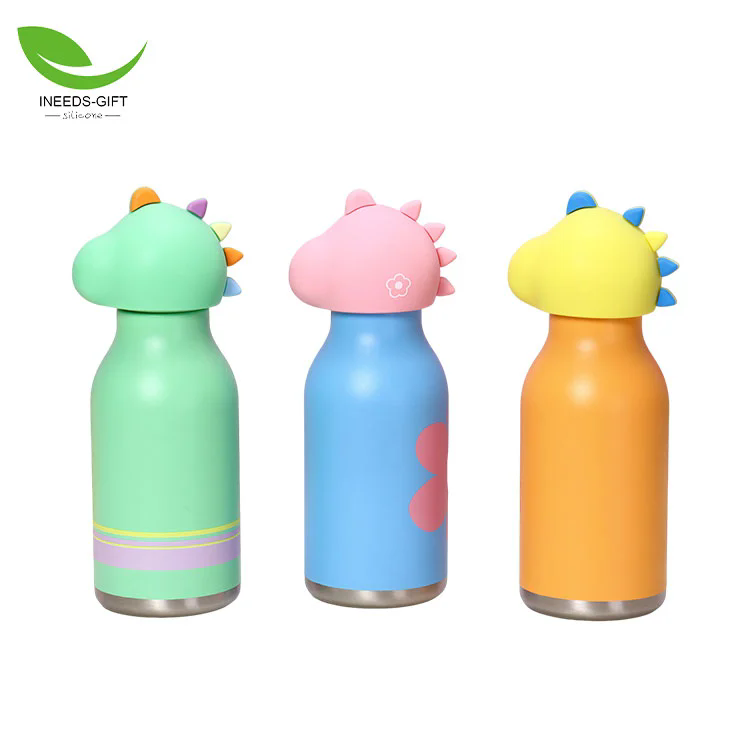
Reusable drinkware is no longer limited to rigid glass, ceramic, or hard plastic. A Silicone Drinking Cup provides a different combination of flexibility, durability, portability, and design freedom. These characteristics make silicone particularly useful when users need drinkware that can handle everyday use without taking up excessive space.
Unlike rigid cups, silicone cups can be designed with flexible walls, collapsible structures, integrated handles, molded measurement markings, or other customized features. A collapsible version can be compressed when empty, making it convenient for backpacks, travel bags, drawers, camping equipment, and emergency kits.
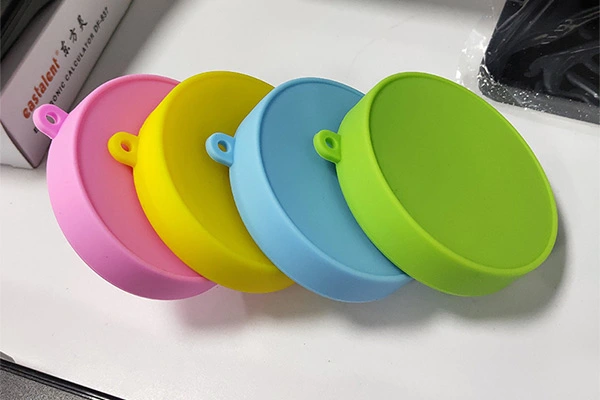
For businesses, the value goes beyond functionality. Silicone can be molded into different shapes and colors, while logos and other visual elements can be incorporated into the product. This creates opportunities for promotional merchandise, corporate gifts, hospitality products, retail collections, event giveaways, and branded lifestyle products.
INEEDS develops customized silicone products for businesses that need more than a standard off-the-shelf cup. Its product range includes different cup structures, custom colors, logo applications, and packaging solutions, allowing buyers to develop drinkware around a specific brand or application.
Many buyers start looking for alternative drinkware because conventional cups create practical problems. A silicone design can address several of these issues when the product is properly engineered.
However, material alone does not guarantee a successful product. A poorly designed cup can still collapse unexpectedly, feel unstable, retain odors, or become difficult to clean. The structure and manufacturing process must therefore be considered together with the material.
The best design depends on where and how the cup will be used. Before ordering, buyers should identify the primary user scenario rather than selecting a product based only on appearance.
| Design Type | Main Advantage | Suitable Applications | Key Consideration |
|---|---|---|---|
| Straight-Walled Cup | Simple and stable structure | Homes, offices, restaurants, events | Wall rigidity and comfortable grip |
| Collapsible Cup | Space-saving storage | Travel, camping, outdoor activities | Collapse mechanism and stability when open |
| Handled Cup | Convenient handling | Hot drinks, offices, hospitality | Handle strength and ergonomic design |
| Custom Molded Cup | Strong brand differentiation | Promotional campaigns and retail products | Tooling cost, sample approval, and production consistency |
Capacity is another important consideration. Smaller cups can work well for children, sampling programs, espresso-style beverages, or compact travel kits, while larger capacities are more appropriate for water, iced beverages, smoothies, and everyday hydration.
INEEDS offers silicone drinking cup designs generally covering approximately 250 ml to 500 ml, while custom structures can be developed for different project requirements.
Not all silicone products provide the same user experience. Material formulation and curing technology can influence odor, taste, flexibility, appearance, durability, and consistency.
For drinking applications, buyers should pay particular attention to food-contact suitability and material documentation. A cup should be produced from material appropriate for repeated contact with beverages and manufactured under controlled conditions.
Platinum-cured silicone is often selected for drinkware where neutral taste and odor are important. This is especially relevant for beverages such as coffee, tea, milk, fruit drinks, and flavored water, because strong material odors can negatively affect the drinking experience.
INEEDS uses platinum-cured silicone for its drinking cups and reports testing procedures covering raw material and finished-product characteristics. Depending on the project and destination market, buyers can also request appropriate compliance documentation and third-party laboratory reports.
For procurement teams, the most important point is to avoid treating a generic material description as sufficient proof of product quality. Material specifications, testing documentation, production controls, and finished-product inspection should all be considered.
A professional purchase decision should consider the complete product rather than focusing on one specification.
There is no universal cup design that fits every application. The following comparison can help buyers narrow down their options.
| Requirement | Recommended Direction | Why It Matters |
|---|---|---|
| Limited Storage Space | Collapsible silicone cup | Reduces storage volume when not in use |
| Daily Office Use | Rigid or semi-rigid cup | Provides a stable drinking experience |
| Outdoor Travel | Lightweight collapsible model | Easy to carry and pack |
| Corporate Gifts | Custom-colored cup with logo | Improves brand visibility |
| Retail Product | Custom molded design | Creates stronger product differentiation |
| Hospitality Applications | Handled or structured cup | Supports convenient beverage service |
Customization is particularly valuable when the cup is intended to represent a company, campaign, organization, event, or consumer brand.
Color is usually one of the first customization decisions. A company can select a brand-matching color or create several colors for different product lines. Pantone-based color matching can help maintain greater consistency between the silicone product and existing brand materials.
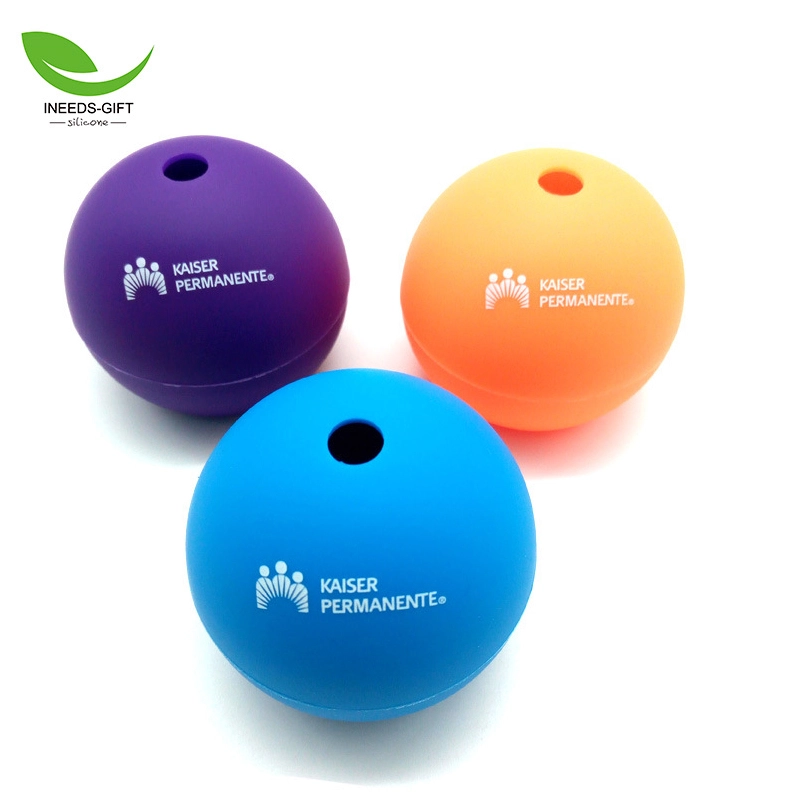
Logo treatment is another major consideration. Depending on the design, businesses may choose embossed or debossed branding for a molded appearance, or printing techniques when detailed graphics are required.
Packaging should not be overlooked. A customized cup placed inside a professionally designed box can create a significantly different presentation from a basic bulk-packed product. For corporate gifting and retail applications, packaging may be an important part of the overall customer experience.
INEEDS supports customization involving cup profiles, colors, branding, and packaging. For projects requiring a new shape, buyers can work with the manufacturer through mold development and sample approval before moving into mass production.
A reliable custom project normally follows several controlled stages. Understanding these stages can help buyers avoid unexpected delays and quality problems.
INEEDS states that a new cup mold typically requires approximately 7–12 working days before a pre-production sample is shipped, while mass production commonly takes approximately 15–25 business days after sample approval. Actual timing should always be confirmed according to the design, quantity, decoration method, and production schedule.
Quality inspection should begin before mass production rather than after the shipment arrives. A sample provides an opportunity to identify problems while changes are still relatively easy to make.
During sample evaluation, buyers should check the following:
INEEDS describes factory-level quality controls that include material testing, dimensional measurement, tensile testing, rheological testing, and aging evaluation. Buyers with specific regulatory or customer requirements should discuss the required testing and documentation before production begins.
The flexibility of silicone allows drinking cups to serve a wide range of commercial and personal applications.
For promotional campaigns, a Silicone Drinking Cup can become more than a disposable giveaway. Because it is designed for repeated use, the product can remain visible in offices, kitchens, cars, gyms, and outdoor environments long after an event has finished.
Proper maintenance helps preserve the appearance and usability of reusable silicone drinkware.
Some silicone drinking cups can tolerate microwave heating when the specific product is designed and rated for that application. Always follow the manufacturer's instructions instead of assuming that every silicone cup has identical heat resistance.
Yes. A properly manufactured food-contact silicone cup can be designed for repeated everyday beverage use. The final suitability depends on the material specification, product construction, manufacturing quality, and applicable use instructions.
A well-designed collapsible cup should remain open during normal use. Internal rings, stepped walls, or other structural features can help the cup maintain its shape. Buyers should evaluate the opening stability of a sample before placing a large order.
Yes. Depending on the design, logo customization can include embossing, debossing, screen printing, color-fill, and other decoration methods. The best method depends on artwork complexity, surface geometry, durability requirements, and target quantity.
Yes. Custom color matching can be used to align the cup with a corporate identity, event theme, retail collection, or promotional campaign. Pantone references can help manufacturers establish the desired color target.
For compact personal use, a smaller capacity may be more convenient. For everyday hydration, larger sizes can reduce the need for frequent refilling. INEEDS commonly produces silicone drinking cups in approximately 250 ml to 500 ml capacities, while custom requirements can be discussed with the manufacturer.
Yes. A sample allows the buyer to confirm the actual shape, dimensions, color, logo placement, flexibility, appearance, and overall user experience before mass production. This is particularly important for products requiring new molds.
Ask about material type, food-contact documentation, testing procedures, minimum order quantity, mold costs, sampling time, production lead time, customization methods, packaging options, inspection procedures, and shipping arrangements. Clear specifications at the beginning can reduce misunderstandings later.
A Silicone Drinking Cup can provide a practical combination of portability, flexibility, durability, customization potential, and everyday usability. The right product, however, depends on more than the choice of silicone. Buyers need to consider the cup's structure, capacity, material quality, branding method, packaging, testing, and manufacturing process as one complete system.
For businesses developing branded drinkware, customization also creates an opportunity to turn a simple cup into a useful marketing product. A carefully designed shape, consistent brand color, high-quality logo treatment, and suitable packaging can make the final product more recognizable and valuable to its users.
INEEDS provides customized silicone drinking cup manufacturing services covering product development, mold customization, color matching, logo application, sampling, production, inspection, and packaging. Whether you are sourcing promotional merchandise, developing a retail product, or creating customized drinkware for a specific business application, defining your requirements clearly at the beginning can make the entire procurement process more efficient.
Ready to develop a customized Silicone Drinking Cup for your brand? Share your desired capacity, shape, color, logo, packaging, and quantity with INEEDS, and contact us to discuss your project and turn your drinkware concept into a production-ready product.